
Blog

Golf courses occupy a unique position in our environmental landscape. When managed responsibly, they provide beautiful green spaces, wildlife habitats, and recreational opportunities. However, traditional golf course maintenance can consume significant resources and impact local ecosystems. As environmental awareness grows and regulations tighten, golf course operators must embrace sustainable practices that balance exceptional playing conditions with ecological responsibility.
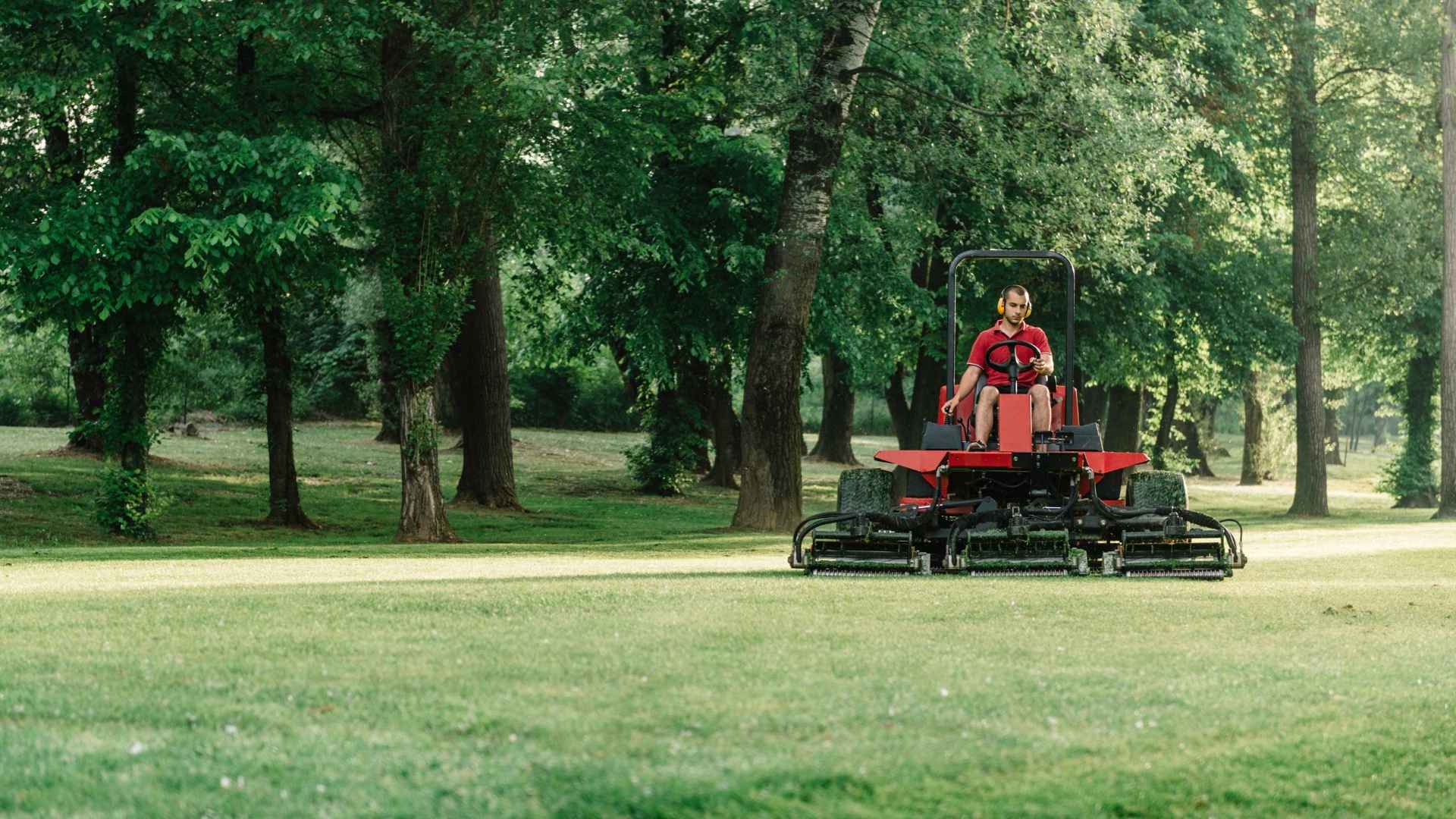
The modern golf industry operates in an increasingly competitive environment where golfers have numerous options and heightened expectations for their recreational experiences. Today's successful golf course operators understand that continuous improvement isn't just beneficial—it's essential for survival and profitability. Strategic golf course improvements create competitive advantages that drive customer satisfaction, increase revenue per visitor, and build the long-term sustainability necessary to thrive in today's market.

Building meaningful connections with your local community isn't just good business—it's essential for long-term golf course success. In today's competitive landscape, courses that actively engage with their surrounding communities see higher membership retention, increased revenue, and stronger brand recognition. Community engagement goes far beyond simply opening your doors to the public; it requires a strategic approach that builds genuine relationships and creates lasting value for both your course and the people you serve.

Managing a golf course profitably presents a unique challenge: you must maintain exceptional playing conditions and service levels while carefully controlling costs in an industry with significant overhead. The average 18-hole golf course in the United States spends between $500,000 and $1,000,000 annually on maintenance alone, creating constant pressure to find efficiencies without compromising the experience that keeps golfers returning.